Twelve months of bold commitments and decisive action by the Global Alliance
Since the Global Alliance against Hunger and Poverty was launched at the G20 Summit in November 2024, the coalition has moved decisively from political commitment to coordinated action. 2025 proved to be a breakthrough year in the global push towards a world free of hunger and poverty – even amid conflict, climate stress and tightening public budgets.
Here are our top stories from 2025:
Amidst aid cuts, the first meeting of the Global Alliance Board of Champions agrees on measures to accelerate support to the fight against hunger and poverty
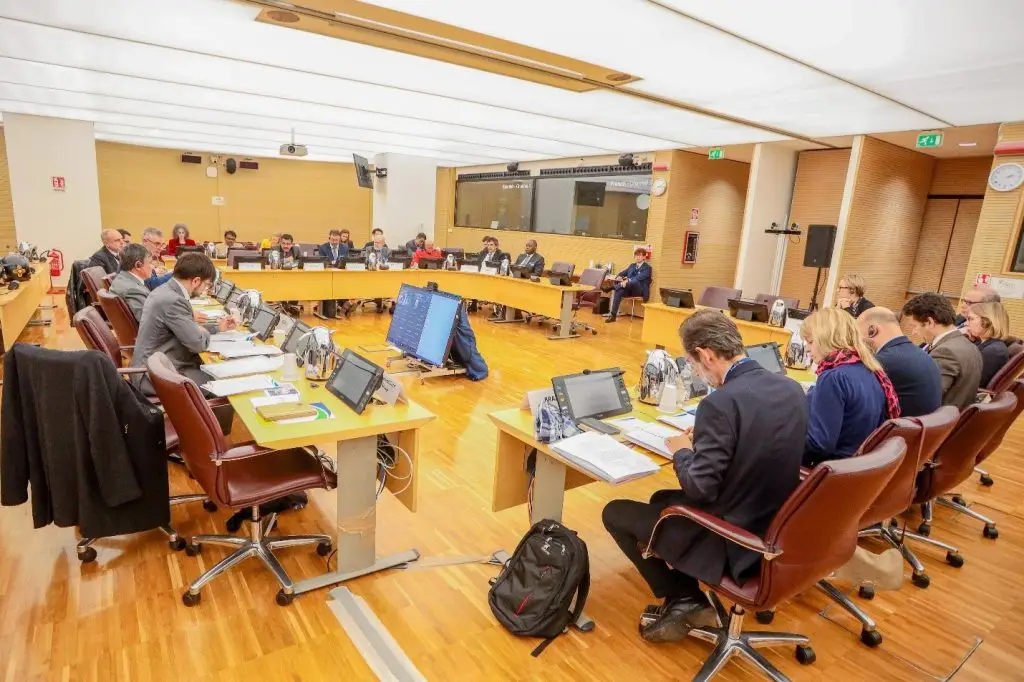
The year began with a foundational milestone at the 48th session of the IFAD Governing Council, where the Alliance formalized its governance structure and elected Brazil and Spain as Co-Chairs. At its inaugural meeting, the Board of Champions explored ways to accelerate the planning processes for large-scale programmes for hunger and poverty eradication.
Global Alliance unveils Seville Platform commitments to fast-track finance for ending hunger, poverty and climate risk
At the Fourth International Conference on Financing for Development (FfD4), a broad coalition of governments and development partners rallied behind two major pledges designed to reset how finance and expertise flow to the frontlines of hunger, poverty and climate stress. At the heart of these two pledges was the Global Alliance’s Fast Track Initiative, with supported country plans for Ethiopia and Zambia highlighted at a high-level event ahead of the official announcement.

Board of Champions: Global Alliance establishes its Support Mechanism and reviews progress against hunger and poverty

In October, the Global Alliance marked another milestone with the inauguration of its Support Mechanism by President Lula da Silva of Brazil, FAO Director-General Qu Dongyu and Honourable Yunus Muhmmad, Chief Adviser of Bangladesh in Rome, Italy. Held at the second meeting of the Board of Champions, the inauguration coincided with the Alliance surpassing 200 members, in a show of growing global commitment to its mission.
Countries mobilize multi-partner support for national programs against hunger and poverty under a new approach to development
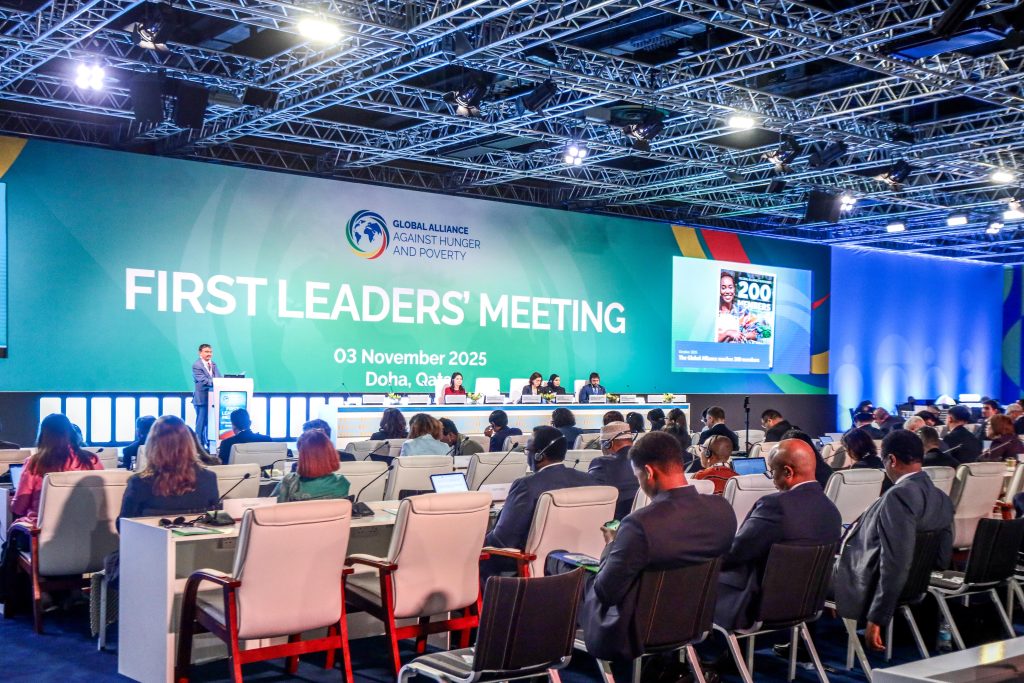
At the First Leaders’ Meeting of the Global Alliance, Ethiopia, Haiti, Kenya and Zambia showcased implementation plans with coordinated financing and technical support from Alliance members. At the event, Benin, Indonesia, Palestine and several other countries also described plans to advance national plans to improve food security and livelihoods.
Leaders from 43 Countries and the EU at COP30 adopt groundbreaking declaration linking climate action to fight against hunger and poverty

In a historic move at the COP30 Leaders’ Summit, Heads of State from 43 countries and the European Union have adopted the Belém Declaration on Hunger, Poverty, and Human-Centered Climate Action, placing the world’s most vulnerable populations at the center of global climate policy.
G20 leaders reaffirm support for Global Alliance against Hunger and Poverty
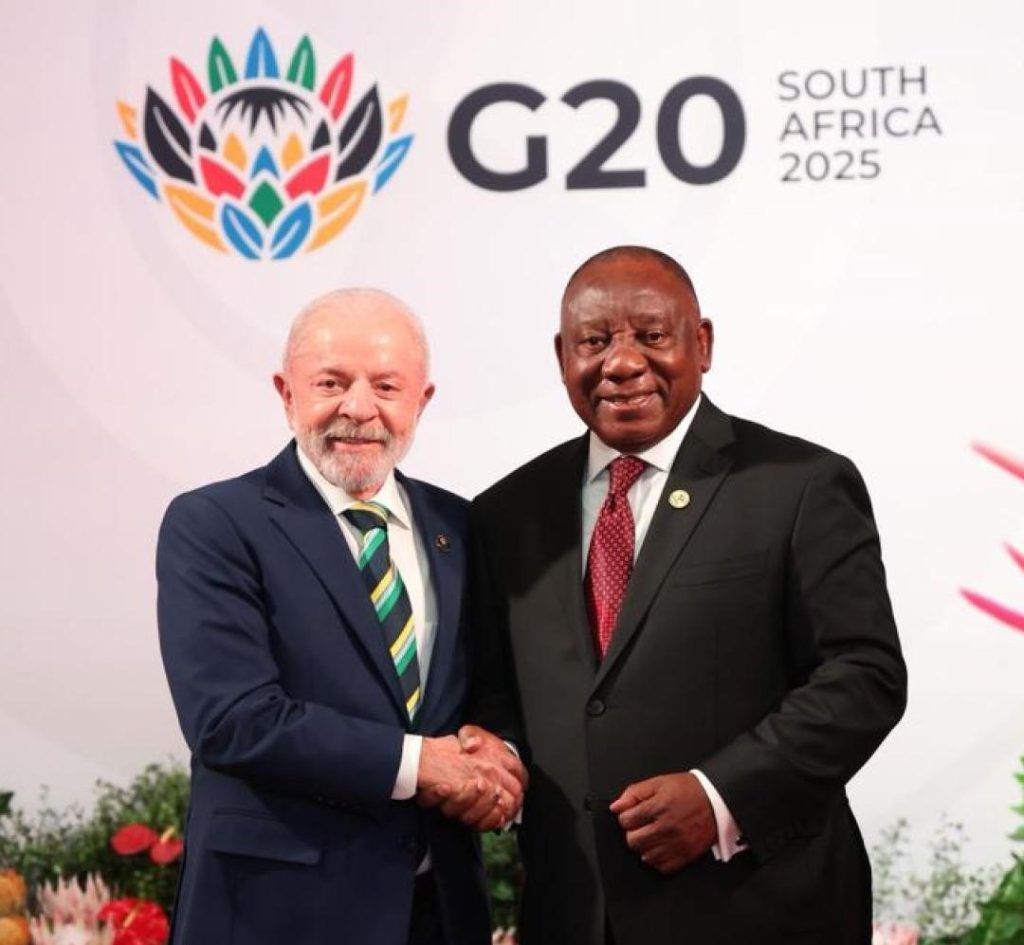
At the first G20 Summit to be held in Africa, Heads of State and Principals from various international organizations hailed the Global Alliance as “an important platform for addressing poverty, hunger and inequality in an integrated and sustainable manner” in a powerful show of solidarity in the face of mounting global challenges.