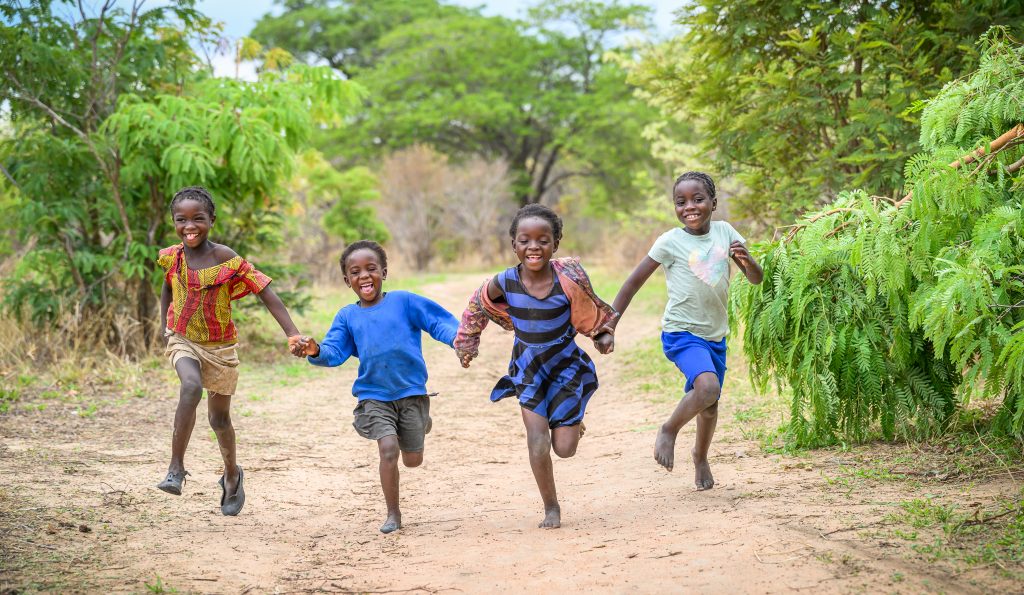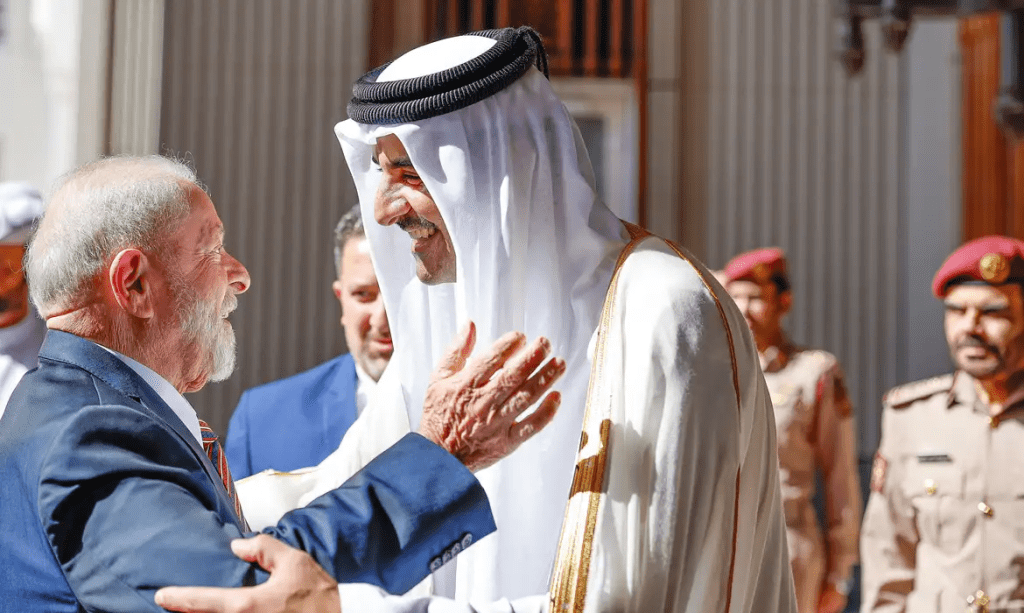

Rio de Janeiro, November 15, 2024. A group of governments, funds and international organizations are advancing commitments which aim to reach more than 200 million children and women worldwide with maternal and early childhood support programs.
The push on integrated maternal and early childhood interventions comes ahead of the launch of a Global Alliance Against Hunger and Poverty, due on November 18 at the G20 Leader’s Summit – an initiative pushed by the G20 under Brazilian presidency which focuses on supporting adoption of national evidence-based policies and programs benefitting the poorest and most vulnerable. The Global Alliance Against Hunger and Poverty´s Support Mechanism will assist in the follow-up of the announced commitments and in the coordination efforts.
Governments are scaling-up efforts to expand the reach of such programs. Among the measures announced are:
– The integration of Mozambique’s Early Childhood program into primary health care, which will be expanded from two provinces to the entire country by 2030;
– Brazil’s Early Childhood Visitation Program, which plans to expand its reach to an additional 300,000 children aged 00–6 and 25,000 pregnant women;
– The Palestinian government will provide essential emergency services to 155,000 pregnant women and breastfeeding mothers, as well as health and social services for approximately 10,000 young children who have lost their caregivers;
– Angola will almost double the number of children aged 0 to 2 years receiving nutritional support by 2030;
– Paraguay’s goal is to create 165 new centers dedicated to families to serve more than 450,000 children, seeking to achieve national reach incrementally;
– Tanzania will scale its integrated early childhood development services nationwide, ensuring universal access to quality early learning, healthcare, nutrition, and social protection services by 2030
– Bangladesh will reach out to approximately 6 million pregnant women, especially those in hard-to-reach areas, with nutrition services;
– Madagascar aims to accelerate the reduction of maternal and neonatal mortality, as well as reduce the prevalence of chronic malnutrition in children under 5 years of age
A full list of specific announcements and commitments by participants is found at the end of this piece.
The case for action. These coordinated, government-led interventions may include: prevention, social transfers with cash benefits for families with pregnant women, newborns or young children; childcare and expanded access to pre-school education; home visits and other forms of information, advice and support; breastfeeding and healthy diets in early childhood, including access to appropriate food supplements and micronutrients; and essential health services for pregnant women and early childhood in poor and vulnerable communities; and early detection and management of child wasting.
Adequate nutrition in the early days of a child is critical. “Nutrition is a fundamental fuel for early childhood, enabling children to grow, adults to work, and communities to flourish. Yet every country on the planet is affected by malnutrition in one way or another, and 2.8 billion people are unable to afford a healthy diet. The Global Alliance is a critical opportunity to drive our shared progress as we work together to end all forms of malnutrition and hunger”, said WFP´s Executive Director, Cindy McCain.
“Houve um progresso importante na redução da desnutrição infantil em um terço nas últimas duas décadas, o que se traduz em 55 milhões de crianças a menos com problemas de crescimento. No entanto, em todo o mundo, cerca de 150 milhões de crianças menores de cinco anos não recebem nutrição, estímulo e cuidados adequados para crescer e desenvolver seu pleno potencial. A falta de uma boa base na infância perpetua ciclos de desnutrição, pobreza e desvantagens que atravessam gerações, comprometendo a estabilidade e a prosperidade das nações”, afirmou a Diretora Regional da UNICEF para a América Latina e o Caribe, Karin Hulshof.
The UK’s Development Minister Anneliese Dodds said: “It is unacceptable that today, over 45 million children suffer from wasting- the deadliest form of malnutrition. Hunger and poverty cannot be tackled without investing in the nutrition of mothers, infants and young children. We must scale up treatment and fund measures that prevent wasting, especially in the communities that are being hit the hardest by hunger.”
Beyond nutrition interventions, implementing home visitation, allowances, vaccination and other public programs and services to support vulnerable children and their families is also paramount. Announcing Brazil’s commitment to expanding its visitation program, the National Secretary of Social Assistance, André Quintão, commented, “The Early Childhood Program in the Unified Social Assistance System supports Brazilian families in the protection, care and education of children in early childhood. We currently have almost 3,000 municipalities participating in the program. With the support of Global Alliance partners, we can expand this number to all Brazilian municipalities that wish to join.”
Despite the strong case for leaving no child behind, particularly in their early years, governments across the world’s low-income countries (LICs) and lower-middle-income countries are struggling to expand the reach of early childhood and maternal interventions due to financing constraints linked to slower growth, debt, and limited access to affordable development finance. Technical limitations and cross-sectoral coordination are also important challenges, as such interventions need to be planned across national social protection, education, food and health systems to be delivered most effectively.
Combining political will, evidence-based programs and funding. Putting forward a new, more structured way of working, the participants in this announcement will provide more consistent support to implementing governments by leveraging each other’s strengths. Bilateral donors, such as France and the UK, and multilateral donors, philanthropies and dedicated funds such as the Child Nutrition Fund, the international Finance Facility for Education (IFFEd), Education Cannot Wait (ECW), and the Global Partnership for Education (GPE), Bill & Melinda Gates Foundation, Maria Cecilia Souto Vidigal Foundation will, through cooperation, well targeted support and improved alignment, help countries to prepare themselves to design and strengthen such programs. Multilateral development banks such as the World Bank and its International Development Association (IDA) and the Inter-American Development Bank (IADB) will provide the funding and concessional grants to help bring such interventions to scale.
Throughout all these stages, relevant experience sharing and knowledge will be mobilized through the efforts of international organizations, South-South cooperation, with organizations such as UNICEF, World Food Programmme (WFP), World Health Organization (WHO), the Food and Agriculture Organization (FAO) and others helping to bring this knowledge to build governments´ capacity, alongside networks such as Theirworld and World Vision International. Other implementing governments and partners are welcome to join the efforts in the months ahead, through the efforts of the Global Alliance Against Hunger and Poverty.
“Multiple forms of malnutrition, including child undernutrition, vitamin and mineral deficiencies and obesity, affect all countries and are responsible for a large proportion of the global burden of disease,” said Dr Tedros Adhanom Ghebreyesus, Director-General of WHO. “Coordinated action and investment leads to positive change, such as the reduction of childhood stunting and increased rates of exclusive breastfeeding. The measures announced today have huge potential to turn the tide on the death, disease and suffering caused by malnutrition.”
“Through the Child Nutrition Fund, we are not just matching investments; we are amplifying them – unlocking the potential of every contribution to transform maternal and child nutrition. By aligning political will, resources and expertise, we ensure that children and women have access to the nutrition they need to thrive, creating a lasting impact on future generations”, said Victor Aguayo, UNICEF’s Global Director for Child Nutrition and Development.
Early action on many fronts. Today’s commitments form part of a series of “2030 Sprints”, a concentrated effort pushed by the Brazilian G20 Presidency to motivate early action and improved alignment from committed partners in the three pillars of the Global Alliance (national, knowledge, f inance) for six high-priority areas of its evidence-based “policy basket”, including school meals, cash transfers, socioeconomic inclusion programs, maternal and early childhood interventions and water access for vulnerable communities. The Global Alliance Against Hunger and Poverty’s Support Mechanism will help following up on today’s commitments and support further joint efforts. – Read More on the broader 2030 Sprints Announcements here.
“The Global Alliance Against Hunger and Poverty is demonstrating its capacity for early action and concrete results even before its formal launch, by bringing together political will from governments and consistent support from finance and knowledge organizations”, says Wellington Dias, Minister of Social Development and Assistance, Family, and Fight Against Hunger of Brazil. Dias is one of the coordinators of the G20 Task Force which, under the Brazilian Presidency, helped design and implement the Global Alliance. “But this is just the beginning. More governments and partners are welcome to join in this effort in the months to come, as we need more scale and reach to fulfill our vision. This is a sprint, but we are here for the long run”.
The 2030 Sprint for Early Childhood support programs is being announced as part of the 2030 Sprints Announcements for the Global Alliance Against Hunger and Poverty, held today, November 15, from 2 to 7pm at the auditorium in the Kobra Space in the G20 Social Summit in Rio, Plaza Mauá. The event is open to the press and a live transmission link can be found here: https://youtube.com/live/9jCw1ESr4b8?feature=share
SPECIFIC ANNOUNCEMENTS AND QUOTES BY 2030 SPRINT PARTICIPANTS
In addition to the above announcements, participants under the 2030 Sprint are today announcing the following actions to advance interventions to improve maternal and early childhood nutrition and development by leveraging national social protection, education, food and health systems:
Countries announced specific national ambitions regarding implementation and development of maternal and early childhood support programmes:
Angola: will expand assistance to children through the Maternal and Child Health Improvement Program, as well as the Child Rights Protection and Promotion Program, included in the National Development Plan (PDN 2023-2027). The goal is to increase the number of children aged 0 to 2 years receiving nutritional support from 6,500 in 2024 to 12,500 by 2030. “We firmly believe that caring for children in early childhood is the key to building a new, fairer Angola for our people,” says Luís Kondjimbi Kaíca Epalanga, Angola’s Secretary of State for Planning.
Bangladesh: will reach out to approximately 6 million pregnant women, especially those in hardto-reach areas, who will be covered with nutrition services, including multiple micronutrient supplements, plus additional financial support. The plan will leverage partnerships with the Child Nutrition Fund, the World Bank and UNICEF.
Brazil: expand early childhood visitation program to 2,550 municipalities, expanding services to an additional 300,000 children aged 00 to 6 years old and 25,000 pregnant women if additional funding of $50 million is provided to support municipalities in creating 2,500 childcare teams. Furthermore, Brazil would like to learn about successful experiences in promoting breastfeeding in daycare centers.
Madagascar: pledges to accelerate the reduction of maternal and neonatal mortality covering the period 2023 to 2027. The objectives are to reduce the maternal mortality rate from 408 to 295 per 100,000 live births, reduce the neonatal mortality rate from 26 to 17 per 1,000 live births and reduce the stillbirth rate from 16 to 10 per 1,000 live births. For the nutrition goals, the objectives are to reduce prevalence of chronic malnutrition in children under 5 years from 39,8% to 25,9%, prevalence of anemia in women of reproductive age from 26,4% to 18,7%, prevalence of low birth weight from 16,4% to 13,4%, prevalence of wasting in children under 5 years from 7,7% below 3%, to increase rate of exclusive breastfeeding in the first 6 months of life from 54% to 74%, and to maintain prevalence of overweight in children under 5 years from below 1%.
Mozambique: commits to accelerate the reduction of malnutrition in all its forms, particularly childhood stunting and severe wasting by scaling up a wide range of early childhood development programs as part of the implementation of its national strategies for infant and young child feeding, food and nutrition security, social protection and gender. Early Childhood Development program integration in primary health care will be expanded from two provinces to the whole country by 2030 and expand the Child Grant Programme to reach 174,000 children by 2026. The Government of Mozambique has estimated that around US$ 8.5 billion are required between 2024 to 2030 to be able to meet the national targets set through a multisectoral, integrated and multi-partnership approach (the 2024 -2030 National Food Security and Nutrition Policy and Implementation Strategy).
Palestine: the Ministry of Social Development of Palestine will provide essential emergency services to 155,000 pregnant women and breastfeeding mothers, as well as health and social assistance services to around 10,000 young children who have lost their caregivers. Additionally, services will be extended to 300 childcare centers serving children aged 0-4, along with support for 35 centers that ceased operations due to the war. If an annual fund of $10 million is secured, the Ministry will be able to establish a specialized childcare team and provide social services to mothers and daycare centers, particularly in the Gaza Strip. Furthermore, Palestine is interested in learning from successful experiences to enhance knowledge and skills to operate in emergency and crisis conditions.
Paraguay: intends to expand assistance to pregnant women and children in early childhood through the National Program for Comprehensive Care for Early Childhood, creating a new program to assist pregnant women and children in early childhood by 2025. The program will have an intersectoral, intergovernmental and interinstitutional management model to improve access to comprehensive and quality services for early childhood, children aged 0-8 years and their families, through interventions in the areas of prevention, protection and promotion of rights; in the axes of family, social inclusion, health, identity, education and recreation.The goal is to create 165 new centers dedicated to families to serve more than 450,000 children, seeking to national reach with a cost of 540,000 dollars per center in the first year and 180,000 dollars from the second year for maintenance. “The Government of Paraguay prioritizes Early Childhood, because we understood that taking care of children today is taking care of the future of our country”, said Minister of the Childhood and Adolescence, Mr. Walter Gutiérrez Cabrera.
Tanzania: Tanzania’s goals for maternal and early childhood development under the National Multi-sectoral Early Childhood Development Program (NM-ECDP): improving child health, nutrition, early learning, and caregiver support. Key targets include reducing stunting among children under five from 32% to 28% by 2026, increasing the proportion of children aged 3-4 years attending early childhood education from 28% to 50%, and improving maternal health services, such as antenatal care, to reach 90% of pregnant women by 2026. The ambition would be to scale up the integrated ECD services nationwide, ensuring universal access to quality early learning, healthcare, nutrition, and social protection services by 2030.
Uruguay will promote a significant reduction in child poverty through plans and proposals adapted to the diversity of families and different territories, with sustained investments. The government will strengthen and promote family support programs, with priority for pregnant mothers and children under 2 years of age, in situations of socioeconomic vulnerability. Likewise, integrated programs will continue to expand to guarantee the availability of nutritional quality food in the territories, prioritizing pregnant women and early childhood, in pursuit of a comprehensive and sustainable food system.
Finance and knowledge partners announced the following measures to help these and other countries scale-up maternal and early childhood support programmes:
France: commits to dedicating at least 50% of its Food Assistance Programme (FAP) to combating all forms of undernutrition with a strong focus on the first 1,000 days of life. This assistance would therefore benefit more than 2.5 million pregnant, breastfeeding women and children under-two years old.
The United Kingdom: commits to helping strengthen the quality and coverage of services to prevent and treat child wasting, in particular in countries in Africa and South Asia where child wasting remains persistently high, working in partnership with UNICEF, the Bill & Melinda Gates Foundation, and the Children’s Investment Fund Foundation to scale up efforts through the Child Nutrition Fund and the Child Wasting & Innovation Programme.
UNICEF: Is committed to reaching at least 200 million children and mothers annually with interventions to improve child nutrition, growth and development, by improving children’s access to nutritious diets, essential nutrition services and positive nutrition and care practices through interventions in the food, health and social protection systems. UNICEF can also catalyze additional resources for maternal and child nutrition through the Child Nutrition Fund. Leveraging its match window, the Child Nutrition Fund can effectively double available domestic funding, maximizing impact and reach.
The Child Nutrition Fund: Led by UNICEF, with support from the Governments of the United Kingdom, Canada and Ireland, the Bill & Melinda Gates Foundation and the Children’s Investment Fund Foundation, the Child Nutrition Fund aims to reach 250 million children and 100 million women across 23 countries with services for the prevention of maternal and child undernutrition.
The World Bank Group commits to scaling up social protection programmes, working alongside partners to support at least 500 million people – aiming for half of those to be women and girls; and to reach 1.5 billion people with quality health services by 2030, including through its International Development Association (IDA). Maternal and early childhood interventions are integral parts of these systems, providing essential support to poor and vulnerable women and children thereby building country’s human capital, while reducing poverty, malnutrition, ill health and compromised learning outcomes.”
Inter-American Development Bank (IADB): The IDB will provide – subject to the approval of its board – an estimated USD 25 billion from 2025 to 2030 to support country-owned, country-led implementation of policies and programmes included in the Global Alliance’s reference basket, including cash transfer programmes, to accelerate progress against poverty and hunger and the achievement of SDGs. The IDB also commits that 50% of IDB newly approved projects will directly benefit the poor, especially women, people of African descent, and indigenous peoples – those most affected by poverty. Also, 60% of newly approved projects by the IDB Lab will directly benefit poor and vulnerable populations. And the IDB will serve as a key financing hand to the Alliance through the reallocation of SDR to Multilateral Development Banks. For every $1 billion equivalent of SDR channeled through the IDB, the IDB will generate approximately $7 billion in additional f inancing. This could result in an additional: 1.3 million mothers and children receiving essential maternal, neonatal, and childcare and nutrition interventions. The IADB is also ready to provide analytic, policy and operational support to countries through knowledge transfer and partnerships.
World Food Programme (WFP): aims to scale-up its support to 29.2 million women and children through malnutrition treatment (15.8 million) and prevention (13.4 million) programmes and promote improved diets in 53 countries in 2025. WFP is committed to further expanding its nutrition programmes and scaling up its knowledge and implementation support to national governments, to accelerate action to end all forms of malnutrition and hunger by 2030.
World Health Organization (WHO): commits to provide technical assistance to 30 countries to integrate maternal and child health services in routine primary health care delivery.
Food and Agriculture Organization (FAO): will include nutrition interventions in its emergency and resilience agriculture responses, aiming to reach vulnerable producer households with at-risk children, pregnant and lactating women and girls in 15 food crises countries to prevent child acute malnutrition or to ensure that there are no relapses for children discharged after undergoing treatment. FAO will support communities to foster household livelihoods and build the resilience of the most vulnerable individuals by linking agriculture production to nutrition education and other actions that favor healthier diets, thus breaking the cycle of distress that underlies child acute malnutrition.
Bill & Melinda Gates Foundation: announces support for governments to design, pilot and incentivize nutrition-sensitive social protection programs – with a focus on women and children — through a new partnership with the World Bank’s Social Protection and Jobs Global Practice. This will include US$2 million in new funding to the Food and Nutrition Security window of the World Bank’s Rapid Social Response Trust Fund, a new window to help countries meet their nutrition goals through better collaboration across sectors and ministries.
Global Partnership for Education (GPE): is committed to supporting increased investment through partner countries and delivering on global and national commitments to early learning, which represented a total of $272 million in 2023, making up 10,7 % of the total grant portfolio. Many partner countries, including Bhutan and El Salvador, have prioritized investments in early learning through GPE support. As part of the Global Sprint for ECE, GPE will: (a) foster demand for early learning by funding quality and equitable early learning programs; (b) drive innovation and evidence generation to sustainably scale national early learning policies and programs; and (c) promote sustainable international and national investments in early learning with the ambition of reaching the SDG commitment to at least one year of pre-primary education for all children.
Education Cannot Wait (ECW): upholds its 2019 UN General Assembly commitment to allocate at least 10 per cent of resources towards Early Childhood Education (ECE) to reduce learning disruption and nurture school readiness for all young children affected by crisis and displacement. Based on the 2023 – 2026 strategic plan, ECW strategic aim is to reach more than 1 million children with ECE services with a financial commitment of US$ 100 Million.
The International Finance Facility for Education (IFFEd): announces support for lower-middle income countries to achieve the target of spending 10% of education budgets on early childhood education. In making this commitment Karthik Krishnan, Founding CEO of IFFEd – a global education fund that launched with a $1.5 billion commitment for 2024-2025 to global education – said: “The first five years are game-changers. Investing in early childhood delivers the greatest f inancial returns, and shapes individual destinies and the future of our world. We’re excited to collaborate with lower-middle-income countries to achieve the 10% financing target and unleash the power of early childhood development to lift nations out of poverty and fuel economic growth”.
Theirworld: announces its commitment to advancing the Global Alliance’s objectives for early childhood development through its Act For Early Years campaign. This includes tracking commitments from the G20, encouraging the first-ever Finance Summit on Early Childhood, and collaborating with over 150 key early childhood partners including UNICEF, UNESCO, ECDAN, Lego Foundation and Sesame Workshop on the campaign goals. The initiative will support 2,000 Global Youth Ambassadors and national and regional campaigns, engaging with partners such as workforce unions, business leaders, and high-profile champions like First Ladies.
World Vision International: by 2030, World Vision aims to reach 250,000 children with malnutrition treatment, 2.3 million children with growth monitoring and promotion, and 3.4 million women and children with micronutrient interventions annually. Additionally, 53,000 people will benefit from food-based approaches to combat undernutrition. Through its ENOUGH Child Hunger and Malnutrition campaign, World Vision is committed to scaling up these programs, supporting national governments, and working with other stakeholders in accelerating efforts to end hunger and all forms of malnutrition by 2030.
Maria Cecilia Souto Vidigal Foundation: announces support to the Brazilian government through research and technical assistance for programs focused on early childhood, and in particular, home visits. The effort aims to support the development and testing of a strategy based on scientific evidence to qualify the implementation of home visits in Brazil, supporting the Ministry of Development and Social Assistance, Family and Fight against Hunger in strengthening 2,500 new public teams in 2,550 Brazilian municipalities. “Currently in Brazil, more than half of young children — that is, 10 million children up to 6 years old — live in the country’s poorest families. This illustrates the scale of our challenge as a nation in tackling the problem of hunger and poverty from the earliest stages of life”, said Mariana Luz, CEO of the Foundation.
PRESS AND MEDIA CONTACTS:
Press inquiries should be sent to:
G20 Presidency – Brazil Carlos Alberto Jr. – [email protected]
Brazil – Ministry of Social Development and Assistance, Family and Fight Against Hunger –
[email protected]
Theirworld / Act For Early Years – [email protected]
UNICEF – [email protected] – [email protected]
Global Partnership for Education – [email protected]
Madagascar Ministry of Public Health – [email protected]
Fundação Maria Cecília Souto Vidigal – [email protected]
United Kingdom – [email protected]
WFP – Leonor Neves Mondlane, Executive Secretariat of SETSAN – [email protected] / Alternative: Claudia Lopes, Director of Food Security and Nutrition Policies and Planning – [email protected]
World Vision – [email protected]
Ministerio de Desarrollo Social Paraguay – [email protected]
World Bank Group – Kristyn Schrader-King – [email protected]
Minister of Health & Family Welfare of Bangladesh – [email protected]
ADDITIONAL INFORMATION
The Global Alliance Against Hunger and Poverty
https://globalallianceagainsthungerandpoverty.org/
The Global Alliance was put forward by the G20 with the purpose of accelerating progress toward the Sustainable Development Goals (SDGs) of eradicating hunger and poverty. The Alliance’s approach (set out in more detail in this fact sheet) focuses on supporting country-owned programmes and evidence-based approaches through strengthened international cooperation and knowledge-sharing.