Countries do not simply need more numbers. They need a bridge between evidence and impact at scale.
The path from research to policy is rarely straightforward. A strong idea or compelling piece of evidence may be the starting point, but reaching people at scale requires adapting knowledge to local realities, building relationships with policymakers, and staying engaged as ideas are tested and translated into practice.
This journey is particularly important in the fight against hunger and poverty. The experience of academic institutions working closely with governments offers useful lessons about what is needed to move from research to lasting impact.
The Global Alliance Against Hunger and Poverty, through its Policy Basket and Country Programme Support process, has provided a channel for academic institutions with cross-cutting research and evidence to directly inform decision-makers from governments and international organisations. Academic institutions in the Global Alliance contribute not only research, but also the expertise and sustained engagement needed to adapt and apply it.
Multidimensional poverty measurement provides one such example.
The Oxford Poverty and Human Development Initiative (OPHI) at the University of Oxford has supported over 50 national governments in the development and implementation of their national Multidimensional Poverty Index (MPI). MPIs are practical frameworks for understanding who is being left behind, how disadvantages and where policy interventions can have the greatest impact. They include indicators in key areas such as education, health, housing, employment, and so on.
Paraguay, for example, uses its national MPI to target and monitor the Poverty Reduction Development Plan Ñaime Porãvéta that includes Zero Hunger, a school meals programme aimed at reducing undernutrition and multidimensional poverty.
Academic institutions can also play a direct role in implementation.
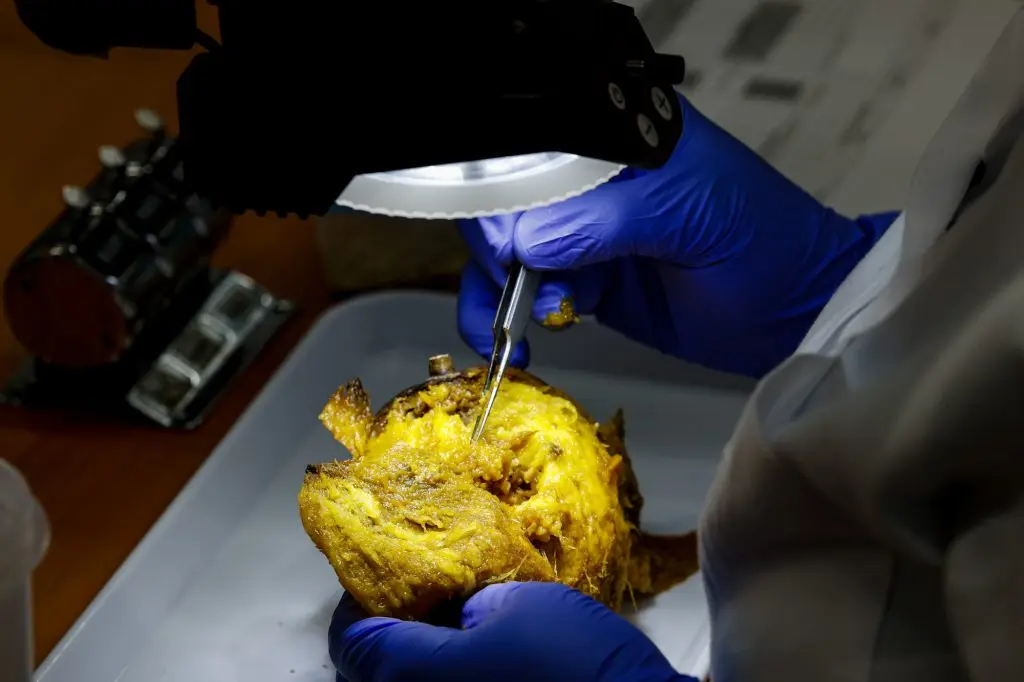
The University of Buenos Aires’ Andean Maize Program, under Argentina’s Family Farming Law, tackles poverty through an integrated approach: it conserves native maize varieties, supports agroecological practices and enables farmers to process maize into flour and sell their products through university-led fairs. In doing so, it brings together several approaches reflected in the Global Alliance’s Policy Basket, including inclusive value addition and processing and short value chains. For example, it links producers in Quebrada de Humahuaca, Jujuy, to consumers in Buenos Aires, improving incomes of peasant families and access to food in cities.
The University of Brasília provides another example of how academic institutions can strengthen public policy implementation and governance. Its researchers focus on management and social participation within Brazil’s National Food and Nutrition Security System (SISAN), helping to strengthen participatory governance by bringing in the perspectives of family farmers and creating space for critical reflection on how policies are designed and implemented. The University, in partnership with other public institutions and family farmers, also develops projects to support the effective implementation of food security and food production programmes, generating scientific evidence that help shape public policy.
Countries do not simply need more numbers. They need a bridge between evidence and impact at scale – identifying knowledge relevant to the problems they are trying to solve, assessing what can work in their context, and connecting with institutions and peers that can help them put it into practice.
The Global Alliance provides that pathway. Its Policy Basket brings together evidence-based policy instruments, while its country process connects national priorities with knowledge, expertise and partnership from across its membership. Its academic members can contribute directly to this work by supporting the Policy Basket and by providing evidence and knowledge to countries as they design their programme plans under the Global Alliance.
The role of academia does not end when research is published. Its contribution can be much greater when researchers remain part of the whole journey, working alongside governments as evidence is adapted, applied and ultimately used to improve people’s lives.
Meet the authors
Sabina Alkire, Professor of Poverty and Human Development, University of Oxford
Sabina Alkire is Professor at the University of Oxford, where she directs the Oxford Poverty and Human Development Initiative (OPHI). With Professor James Foster, she developed the Alkire-Foster method, which underpins global and national Multidimensional Poverty Indices (MPIs), now adopted across more than 50 countries to reveal not only who is poor but also how, through the overlapping deprivations that shape their lives.
Pablo Rush, Secretary of Extension, University of Buenos Aires
Pablo holds a degree in Agricultural Engineering from FAUBA-UBA, where he serves as a Teaching Assistant in Genetics and Secretary of Extension. Since 2015, he has led an institutional policy for engagement between the university, the State, and rural territories, with a focus on family farming, food sovereignty and security, and market access across Argentina. As Focal Point for the Global Alliance against Hunger and Poverty at UBA, he led the university’s accession to the Alliance and coordinates international seminars on public policy and food security.
Anelise Rizzolo, Associate Professor, Nutrition Programme, University of Brasília

Anelise is a nutritionist holding a specialization and a Master’s degree in Public Health, a PhD in Social Policy from the University of Brasília (UnB), and a postdoctoral fellowship in the Anthropology of Food from the Observatory of Food (ODELA) at the University of Barcelona, Spain. She conducts research on the relationships between food and nutrition, public policy analysis, collective health, and the social sciences. She is a member of the National Research Network on Food and Nutritional Sovereignty and Security (PENSSAN) and ABRASCO’s Working Group on Food and Nutrition in Collective Health.