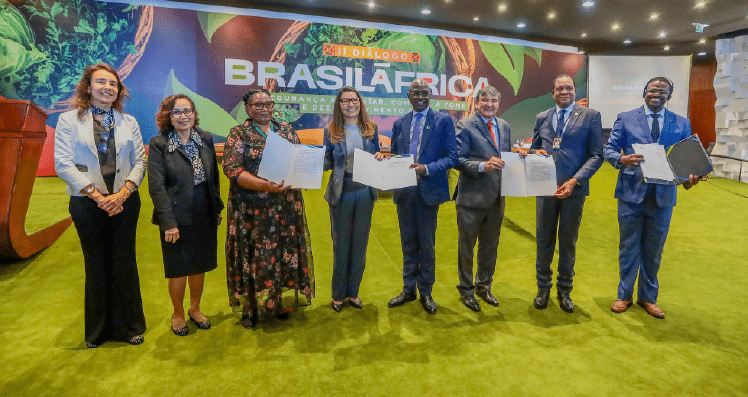
The II Brazil-Africa Dialogue on Food Security, the Fight Against Hunger, and Rural Development, held in Brasília this May, was a key milestone in strengthening international collaboration to eradicate hunger and poverty. During the event, Eswatini, Senegal, and Zimbabwe officially formalized their accession to the Global Alliance Against Hunger and Poverty, and the African Development Bank (AfDB) submitted its Statement of Commitment (SoC), in a significant gesture of alignment.
These developments indicate the growing momentum of the Global Alliance as a unifying force for countries and institutions working to implement sovereign, evidence-based solutions to end hunger and extreme poverty.
Co-chair of the Global Alliance, alongside Spain, the Brazilian minister Wellington Dias, notes that under its Fast Track initiative, the Global Alliance is working with thirteen countries, of which six in Africa, to detail support requests for implementing or expanding programs, with the aim of scaling up successful models. He describes the Global Alliance as an alternative to traditional aid approaches that often-foster dependence, emphasizing that national governments are best placed to implement programs at scale. He also provided information on how countries can join and outlines the Global Alliance’s planned structure, which includes regional representation and an office in Addis Ababa
Ethiopia: “This is an indispensable global initiative”
One of the most impactful statements came from Ambassador Leused Tadesse Abebe, speaking on behalf of Ethiopia’s Deputy Prime Minister. He emphasized that no country could tackle hunger and poverty alone, calling the Global Alliance “an indispensable global initiative to rescue the 2030 Agenda” and align with Africa’s 2063 Agenda.
Ethiopia, one of the first countries to join the Global Alliance and currently a member of the Board of Champions, announced its willingness to host the Alliance’s African regional office. The ambassador also presented Ethiopia’s flagship “Yulemat Tirufat program”, which is being supported by the interim Global Alliance Support Mechanism under the Fast Track initiative to promote food security and poverty reduction through integrated actions in livestock food chains for small-scale producers through a “productive village” territory-based model.
“This is not just a political commitment”, said Ambassador Abebe. “It is a call for collective responsibility. The Global Alliance is not a charity mechanism. It is a partnership of equals, grounded in sovereignty, solidarity, and solutions that work.”
Political support from the continent
Several African leaders praised Brazil’s leadership. Isaac dos Anjos, Angola’s Minister of Agriculture, thanked President Lula da Silva for his “lesson in wisdom” and announced that Angola would be joining the Global Alliance. Mandla Chauca, Minister of Eswatini, described his country’s commitment as “essential to move forward.”
During the event, Brazilian First Lady Janja Lula da Silva described the Dialogue as the first Brazil-Africa exchange under the Global Alliance framework and invited all nations to contribute. Her message emphasized that the initiative is already operational, connecting actors from government, civil society, and international institutions.
Brazilian Finance Minister Fernando Haddad and Secretary Tatiana Rosito highlighted the Global Alliance’s financial pillar, emphasizing innovative mechanisms such as hybrid capital instruments based on Special Drawing Rights (SDRs) debt swaps for hunger, and the involvement from multilateral development banks. These tools are designed to bridge investment gaps and support the large-scale implementation of public programs.
In turn, Tanzania’s Vice President, Philip Mpango, stated that individual efforts are no longer enough. He welcomed the Alliance as a much-needed multilateral platform and thanked President Lula for championing its creation.
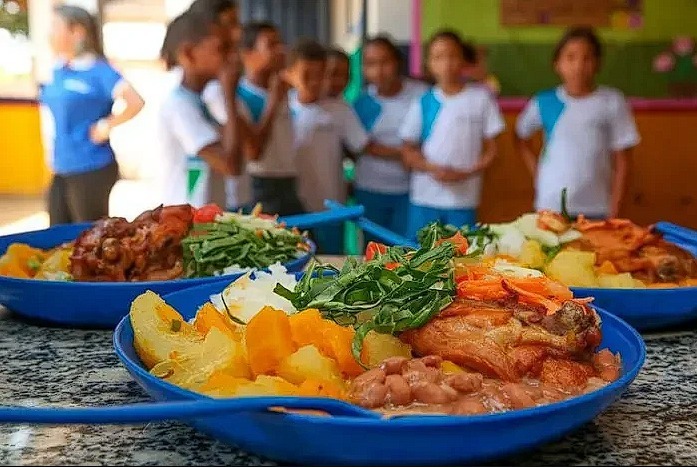
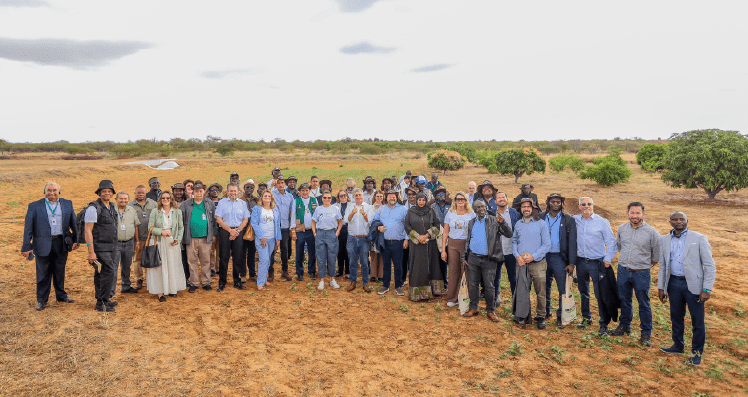
Throughout the week of knowledge exchange, delegates took part in technical visits to Embrapa, Sustainable Solidarity Kitchens, and local school feeding and family farming programs. These visits provided practical insights into Brazil’s strategies for addressing hunger and poverty.