Finance leaders urge stronger alignment and sequencing of scarce resources behind national programmes against hunger and poverty, underscoring convergence role of the Global Alliance
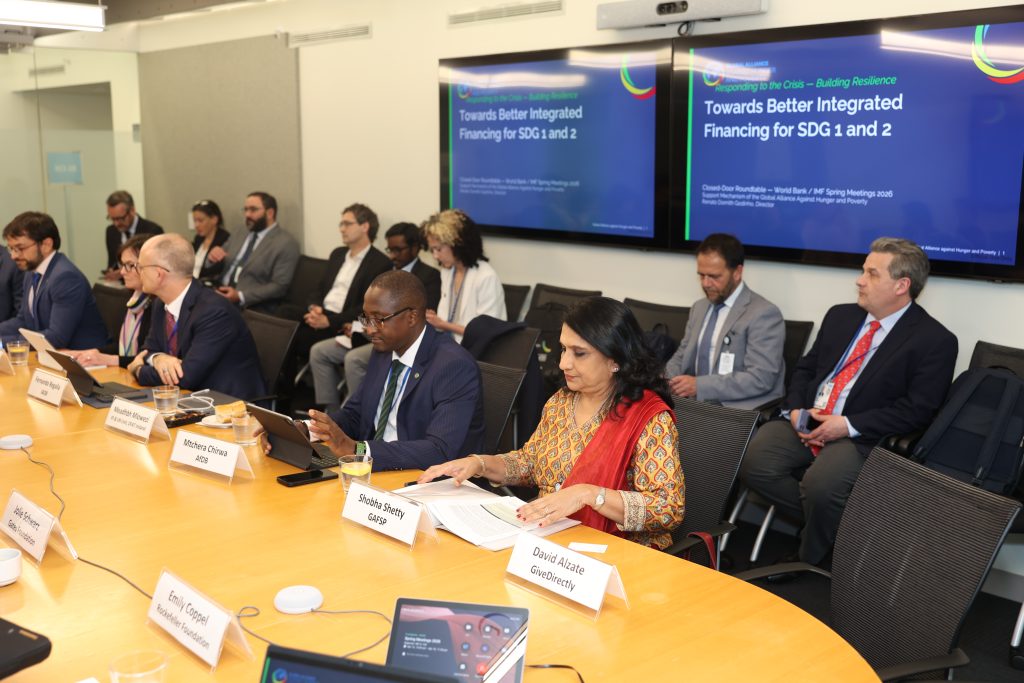
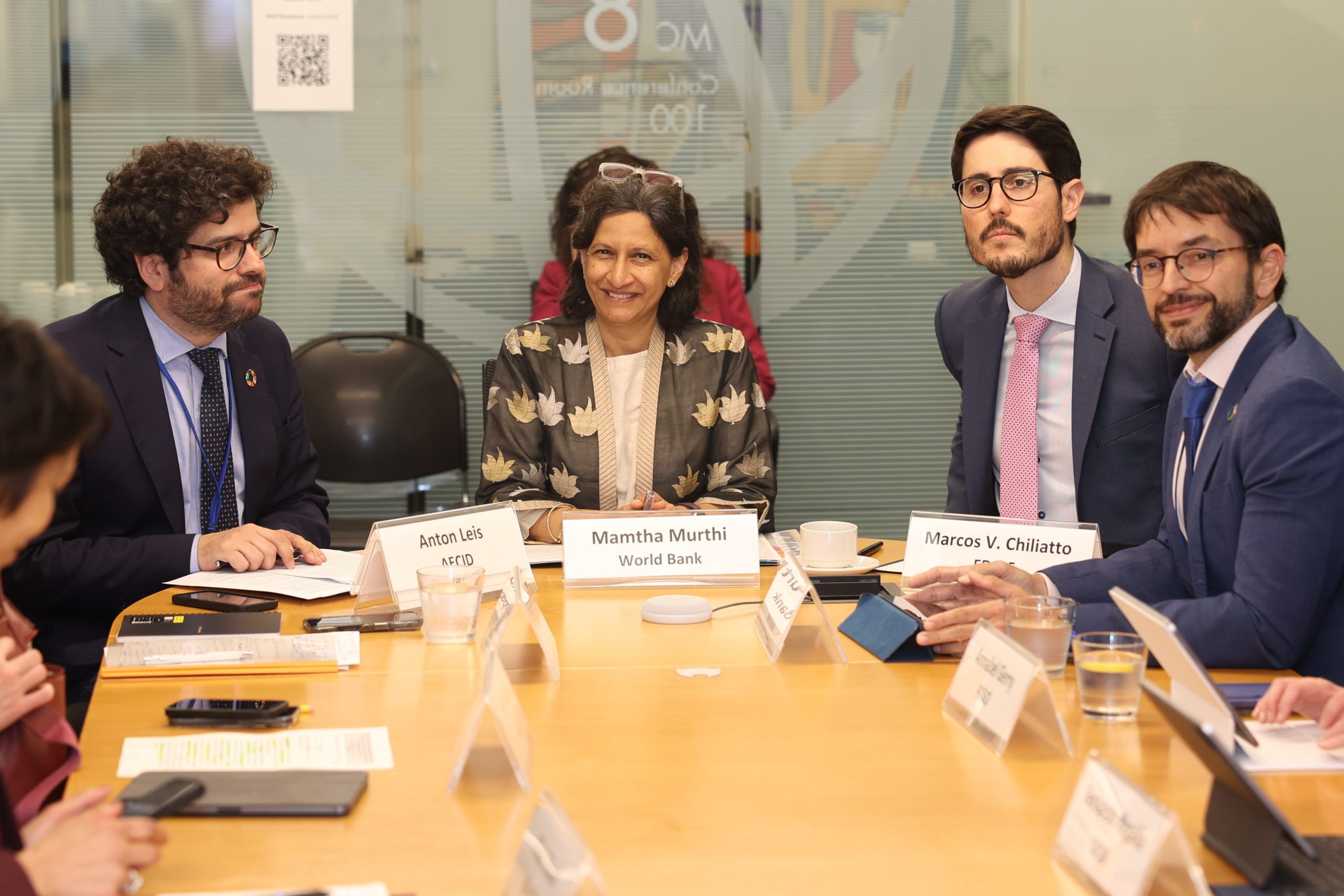
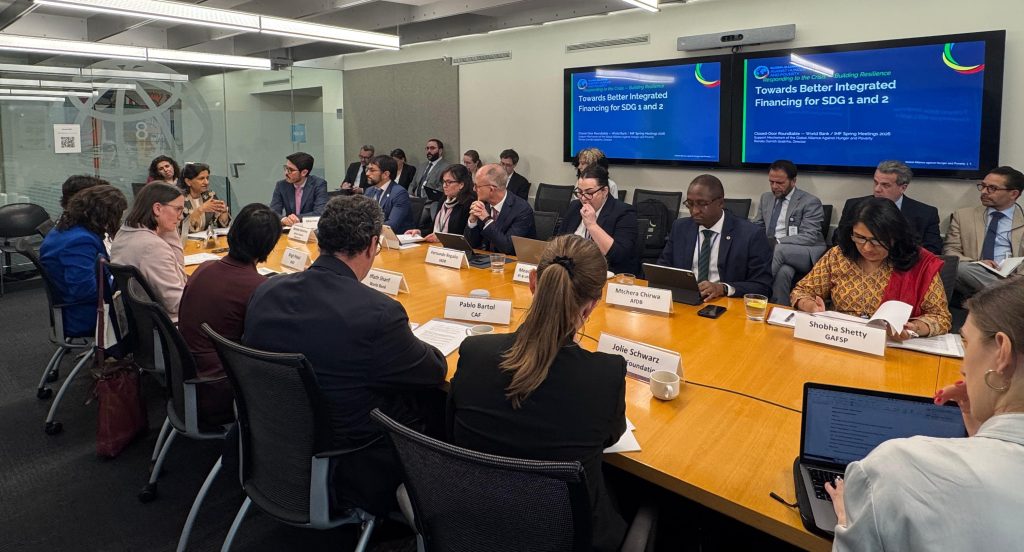
Washington DC, USA, 15 April 2026 – Today at the Spring Meetings of the International Monetary Fund and the World Bank Group, senior representatives from Multilateral Development Banks, bilateral donors and philanthropic organisations explored ways to leverage the Global Alliance to better integrate financing solutions in a global context of heightened pressures.
The Financing Hub of the Global Alliance, hosted by the World Bank, was also launched at the Spring Meetings, designed to serve as a nexus for convergence across different financing sources in support of country-led programmes.
As governments navigate tightening fiscal space and declining development assistance, the Meetings have sharpened the focus on how scarce financial resources can be better aligned and delivered at scale. Recent disruptions to global trade routes have further exposed the fragility of interconnected food systems, with FAO warning of severe food security risks.
The high-level session, Financing solutions for hunger and poverty: From commitments to action, co-hosted by the Global Alliance, Spain, and the World Bank, explored pathways to converge fragmented funding streams from development, humanitarian, and climate finance to support large-scale national programmes.
The discussion drew on analytical work issued by ODI Global in late 2025 articulating the case for coordinated financing for social protection through a virtual mechanism, without creating new institutional structures. Participants noted the timeliness of advancing such a mechanism to leverage existing structures.
Emphasis was placed on the need for external financing to complement, rather than substitute, domestic resources and for a sequenced approach to integrated financing. This includes greater visibility on commitments and financing availability, streamlined access to complementary funding streams and co-financing arrangements converging around country plans.
The Global Alliance Financing Hub in Washington D.C. supports this shift from parallel funding streams to coordinated financing. Grounded in national priorities and evidence-based policies, the Hub will offer a dedicated space for international financial institutions and development partners to align financing instruments, particularly for countries facing poverty, hunger and fragility.
Despite ongoing uncertainty, these discussions and new DC Hub herald an opportunity to pair coordinated national programming with coordinated global financing.
Photos: Jude Roberts/IADB
Media contact
Emily Kitongo – Communications Lead, Global Alliance against Hunger and Poverty Support Mechanism
[email protected]