The team will have 15 professionals based in offices around the world, with its main headquarters in Rome
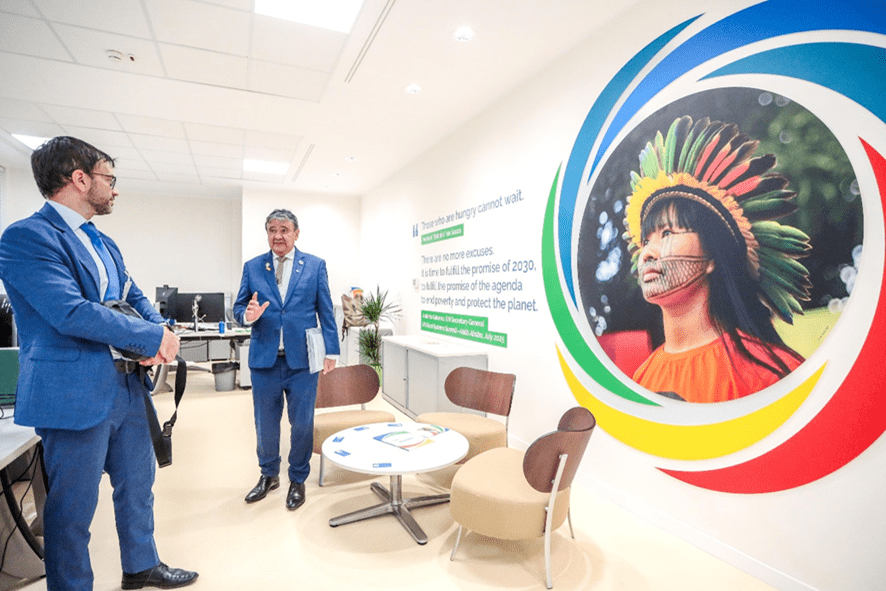
Brazilian diplomat Renato Domith Godinho has been appointed Director of the Support Mechanism of the Global Alliance Against Hunger and Poverty. The Mechanism, which will serve as the Alliance’s secretariat at FAO headquarters in Rome, will coordinate efforts among the Alliance’s more than 200 members: 103 countries, 53 foundations and NGOs, 30 international organizations, and 14 financial institutions. The team will have 15 professionals based in offices around the world, with its main headquarters in Rome, Italy.
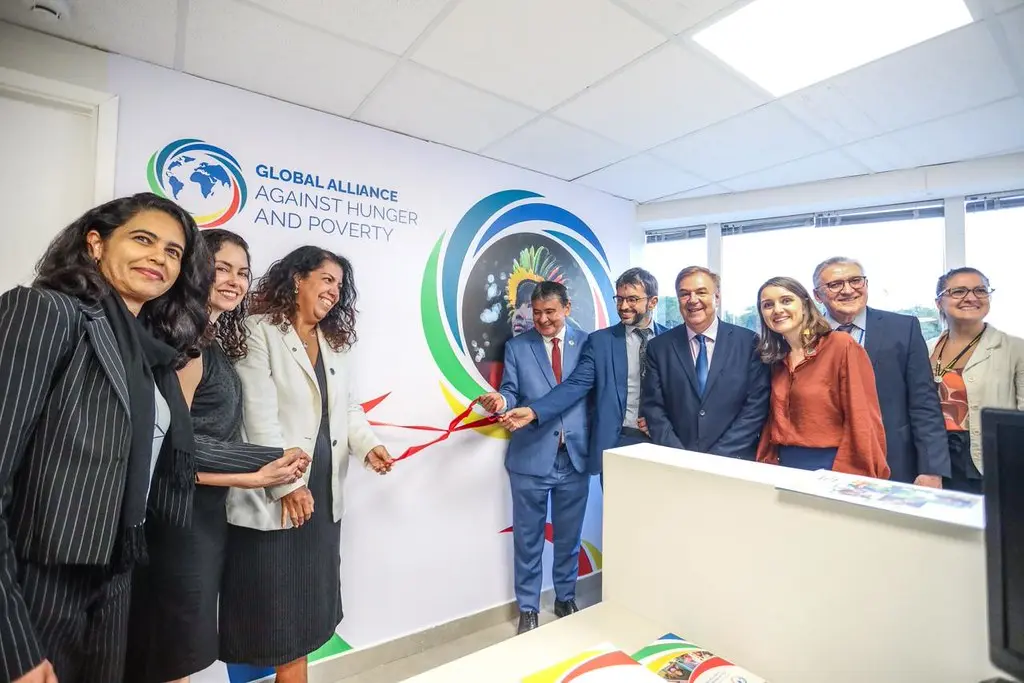
President Luiz Inácio Lula da Silva, accompanied by Minister Wellington Dias, inaugurated the office that will host the Mechanism and emphasized the importance of collective responsibility in addressing hunger: “The fight against hunger will not be solved if we treat it as charity. It is important to be clear that combating hunger means holding the governments of all countries responsible for ensuring the poor are in the national budget.”
“Today we take a decisive step: we inaugurate the Alliance’s Support Mechanism, with its headquarters, secretariat, and leadership. The Support Mechanism is a team — a small team facing the major challenge of accelerating the Alliance’s efforts to end hunger and poverty by 2030,” Godinho said.
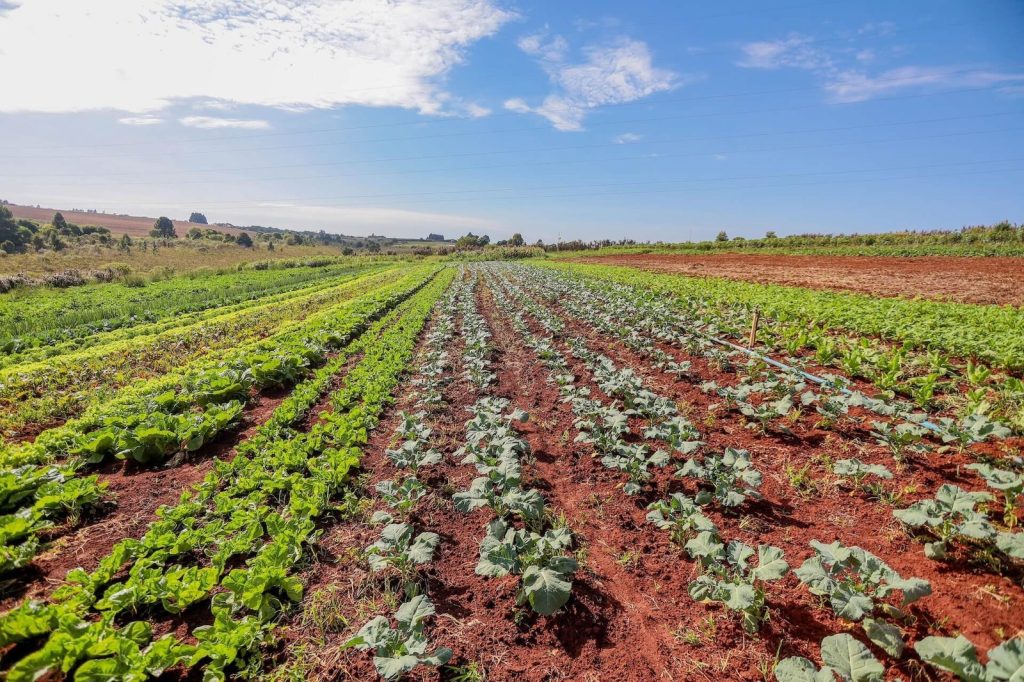
The Mechanism will support the implementation of national programs across developing countries, facilitate partnerships and knowledge exchange — including successful experiences such as Bolsa Família and school feeding programs — and mobilize financial resources.