As conflict, climate shocks and high food prices put progress at risk, Global Alliance members show how national plans can bring partners and resources together
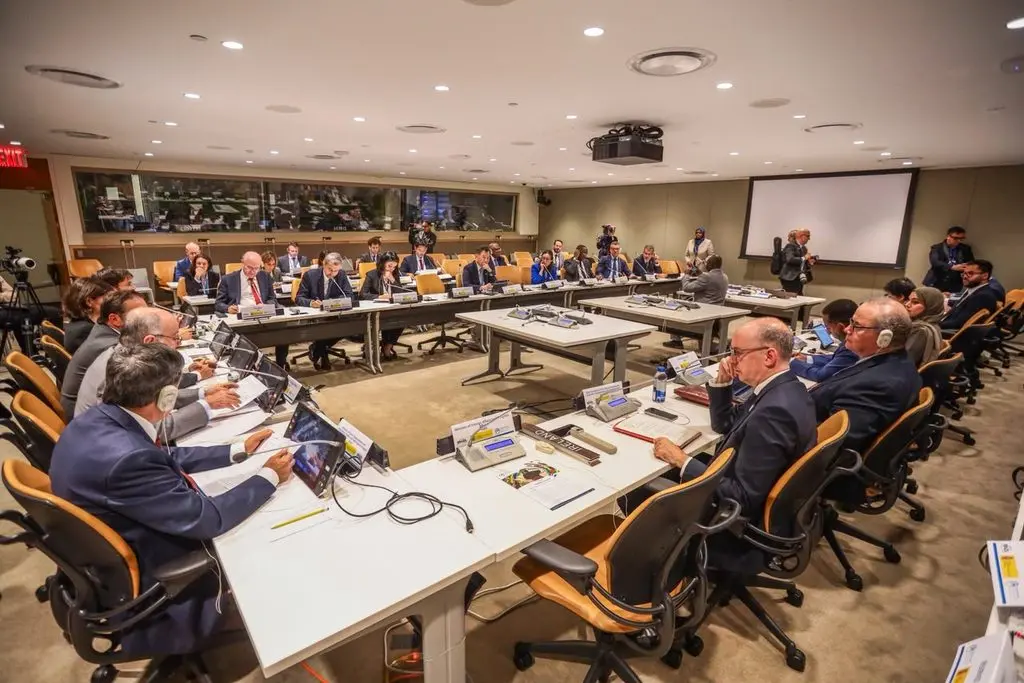
New York, USA, 23 September 2026 – With only four years remaining to achieve the Sustainable Development Goals (SDGs), leaders from across the Global Alliance against Hunger and Poverty gathered at the headquarters of the United Nations (UN) to call for renewed political leadership, stronger country-led systems and better-aligned financing to accelerate progress towards SDGs 1 and 2.
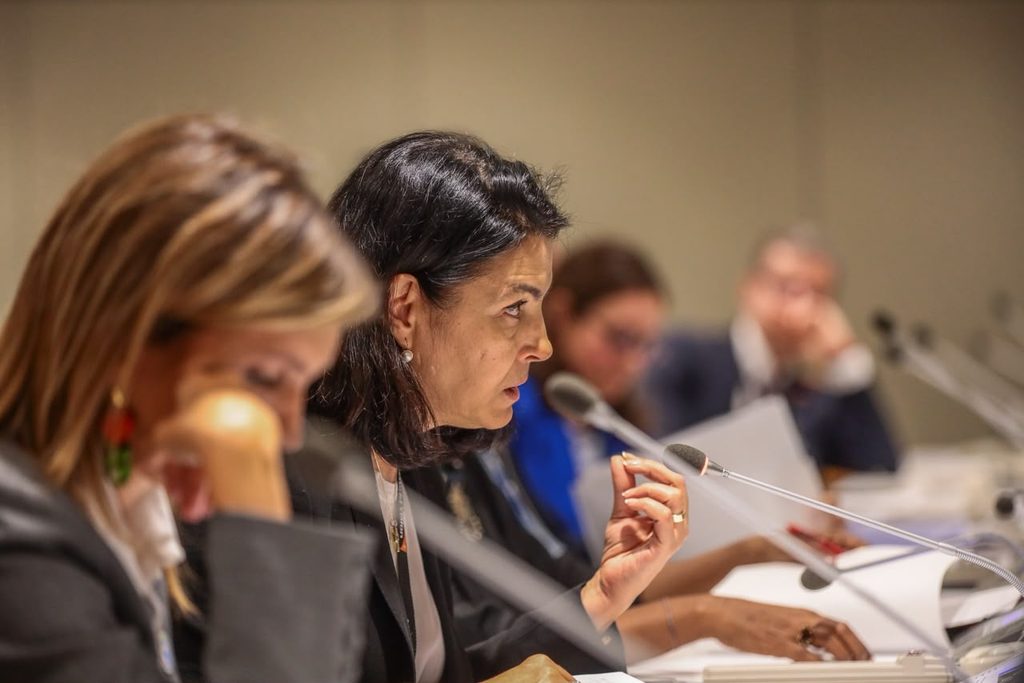
The calls came during the high-level event Four Years Left: Accelerating Action on Hunger and Poverty, convened by Brazil and Spain in their capacity as Co-chairs of the Global Alliance, during the opening week of the UN General Assembly.
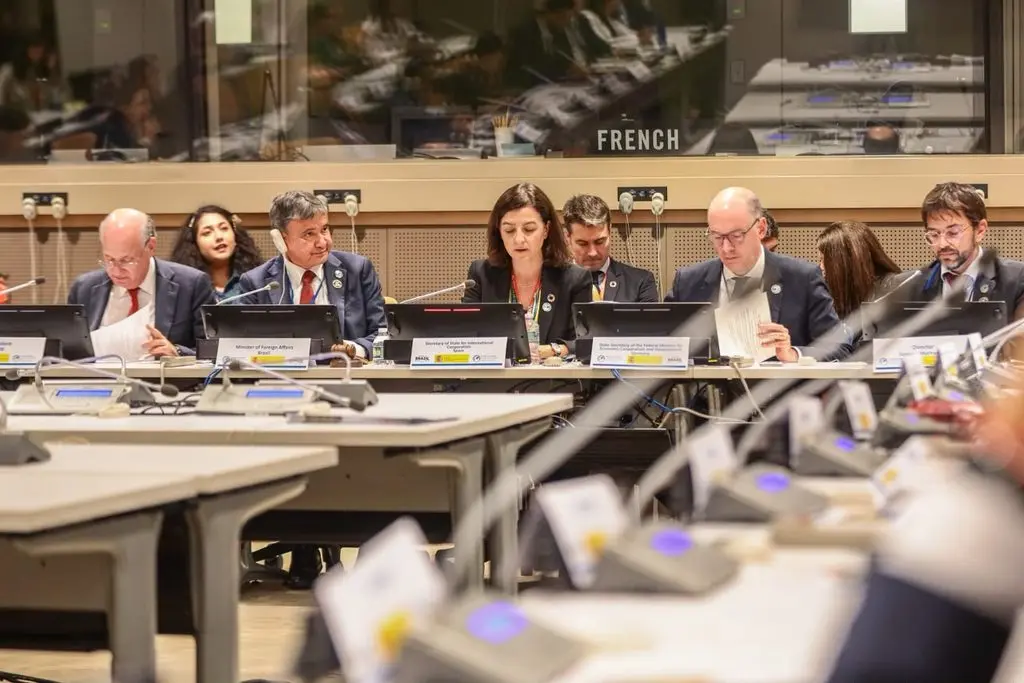
Brazil’s Foreign Minister Mauro Vieira said hunger had declined for a third consecutive year, but nearly two billion people still faced moderate or severe food insecurity. “The Global Alliance is now moving from political commitment to implementation,” he said. Its Support Mechanism has worked with governments in Ethiopia, Cambodia and Haiti to identify constraints, bring partners together and explore technical and financial support. Spain’s Foreign Minister José Manuel Albares said the aim was for international partners to respond at the necessary scale when a country puts forward its own plan to end hunger and poverty.
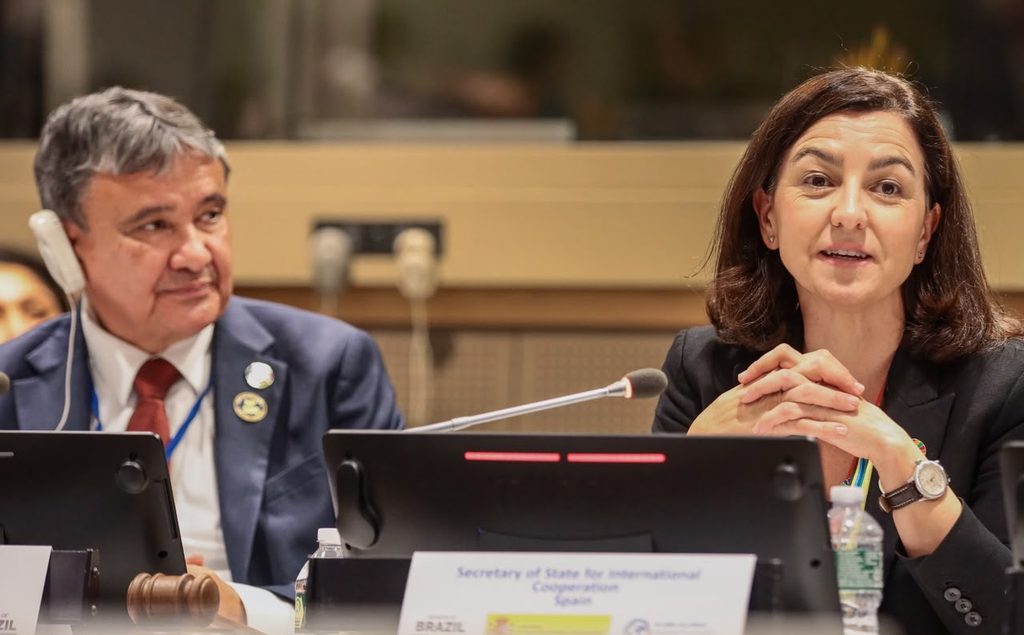
Spain’s Secretary of State for International Cooperation Eva Granados reported 21 Alliance-supported programmes in 19 countries, noting that a recently established country support contact group helps connect national priorities with members’ capabilities, while a new collaborative financing framework under development for SDGs 1 and 2 would help existing resources work together around country-led programmes. “We do not want to establish a new fund,” she said. Brazil’s Minister of Social Development Wellington Dias urged members to turn commitments into results, warning that conflict and climate shocks could reverse recent gains.
Inter-American Development Bank President Ilan Goldfajn said the bank had approved $4.1 billion in Alliance-aligned, country-led operations in 2025 and a further $5.8 billion so far in 2026, towards its existing $25 billion commitment for 2025–2030. “The amount of money is important, but more important is how much we achieve,” he said. In Haiti, the IDB is working with the government, the Alliance, the World Bank and the World Food Programme towards a common roadmap to expand cash transfers within a national social protection framework. Goldfajn also confirmed the bank’s involvement in developing the collaborative financing framework.
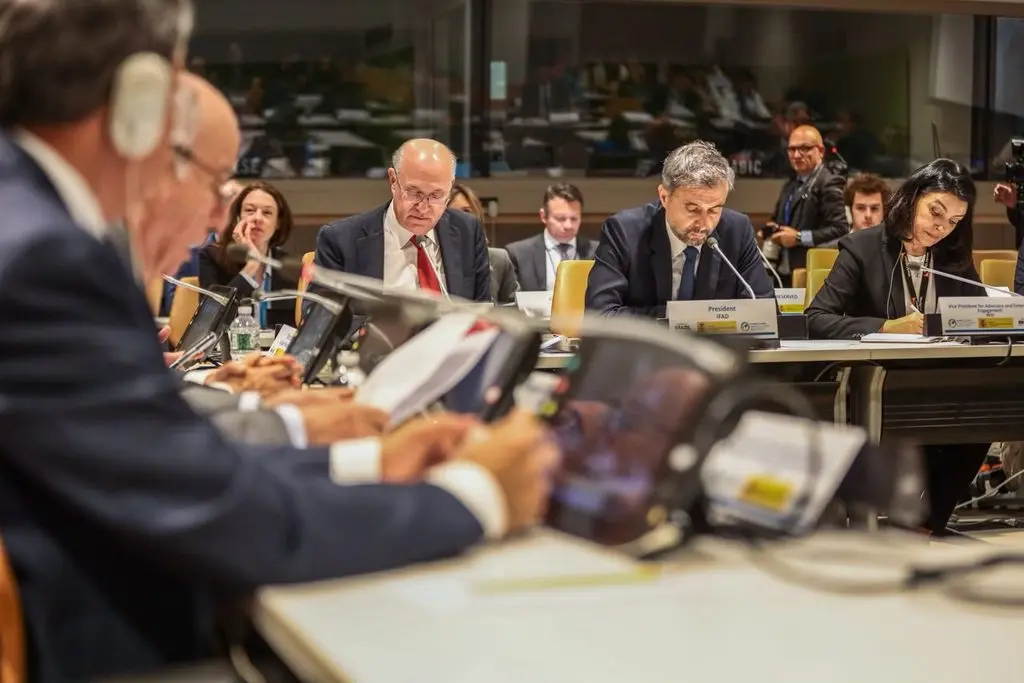
International Fund for Agricultural Development President Álvaro Lario said IFAD had mapped about $600 million in portfolio investments aligned with Alliance priorities across seven countries, including about $120 million in Ethiopia. He cited work on Ethiopia’s Yelemat Tirufat programme and opportunities to connect Cambodian school meals with local producers. Ambassador Yoseph Kassaye said Ethiopia’s next phase aims to reach five million smallholder farmers and has advanced to formulation of an implementation roadmap under the Alliance’s country support process.
World Vision International’s Dana Buzducea described joint planning in Ethiopia with the government, development banks, UN agencies and civil society, including work to link community nutrition practices with the national programme. She said community nutrition and livelihood practices were being integrated into the national plan, showing how partners can bring their different strengths to a shared effort. “This is the power of the model that the Alliance proposes,” she said.
Germany’s State Secretary Niels Annen said the Alliance could bring national priorities, bilateral and multilateral support, expertise and financing together more effectively, while keeping partner countries in charge of their programmes. FAO Chief Economist Maximo Torero said the Alliance’s Policy Basket and coordination of financing could reduce the failures that keep available resources from meeting country demand. Representing the Global Network Against Food Crises, WFP’s Rania Dagash warned that food crises were deepening faster than the collective response and called for earlier, sustained action. She said WFP looked ahead to the Alliance’s second-anniversary high-level session on 18 November.
At the event, participants also received an early look at an upcoming report marking the second anniversary of the Global Alliance. The publication, to be released in November 2026, will take stock of global progress on hunger and poverty and highlight how Alliance members are translating commitments to scale up food security and social protection programmes into concrete action.
The event closed with a shared call to move faster from commitment to implementation, reaffirming the Global Alliance’s role as a platform for countries and partners to align and mobilize support around national priorities. With the final stretch to 2030 underway, now is the time to accelerate coordinated efforts to end the two most pressing challenges of our generation.