After decades of concerted efforts to end hunger and malnutrition, the world is no longer on track to end hunger and all forms of malnutrition by 2030. Despite the difficult context, there are important openings for progress. African leadership through the Kampala Declaration and CAADP 2026–2035 provides a strong regional policy framework. Paris Nutrition for Growth, SUN 4.0, and the Global Alliance against Hunger and Poverty have renewed attention to country leadership, sustainable financing, and evidence-based policies. Champions such as Brazil, France, Ireland, Norway, and Spain are helping keep hunger, nutrition, and food systems transformation on the global agenda.
While the G7, the G20 and the UN Security Council still function as spaces for discussion–they are no longer the only fora for coordinated responses to some of the world’s greatest challenges, including pandemics; war and peace; and economic, climate and food shocks. Their scope is narrowing to ‘core issues’ of economics and stability. The Global Alliance Against Hunger and Poverty, which was established under the Brazilian G20 Presidency, is an exception.
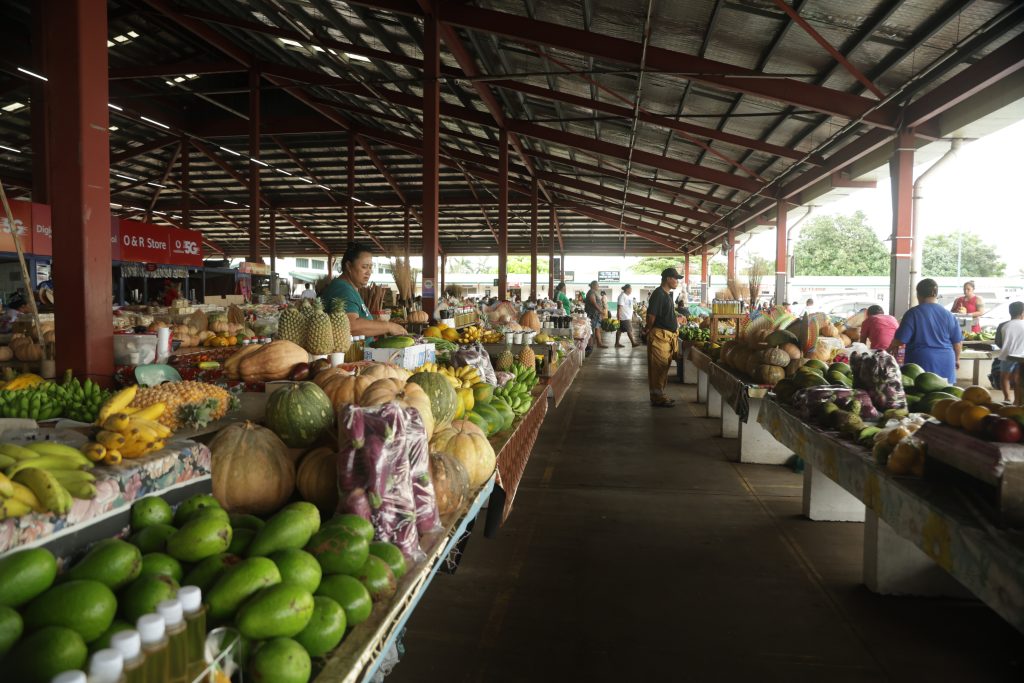
Photo: FAO/Meraz Parker-Potoi