Against an international backdrop marked by wars, climate crises, food-price inflation and declining development resources, Latin America and the Caribbean is sending a message that the world needs to hear: hunger can be reduced when there is political will, institutional continuity and a coordinated set of public policies.
On September 23, during the United Nations General Assembly in New York, the Global Alliance Against Hunger and Poverty held the high-level event “Four Years Left: Accelerating Action on Hunger and Poverty.” Convened by Brazil and Spain, the Alliance’s co-chairs, the meeting called for renewed political leadership, stronger country-led systems and better-aligned financing to accelerate progress towards the eradication of hunger and poverty by 2030.
The event took place at a particularly significant moment for Latin America and the Caribbean. Five countries in the region — Brazil, Chile, Guyana, the Dominican Republic and Uruguay — now have an estimated prevalence of undernourishment below 2.5%, the statistical threshold used by the Food and Agriculture Organization of the United Nations (FAO) to indicate that a country is no longer on the Hunger Map.
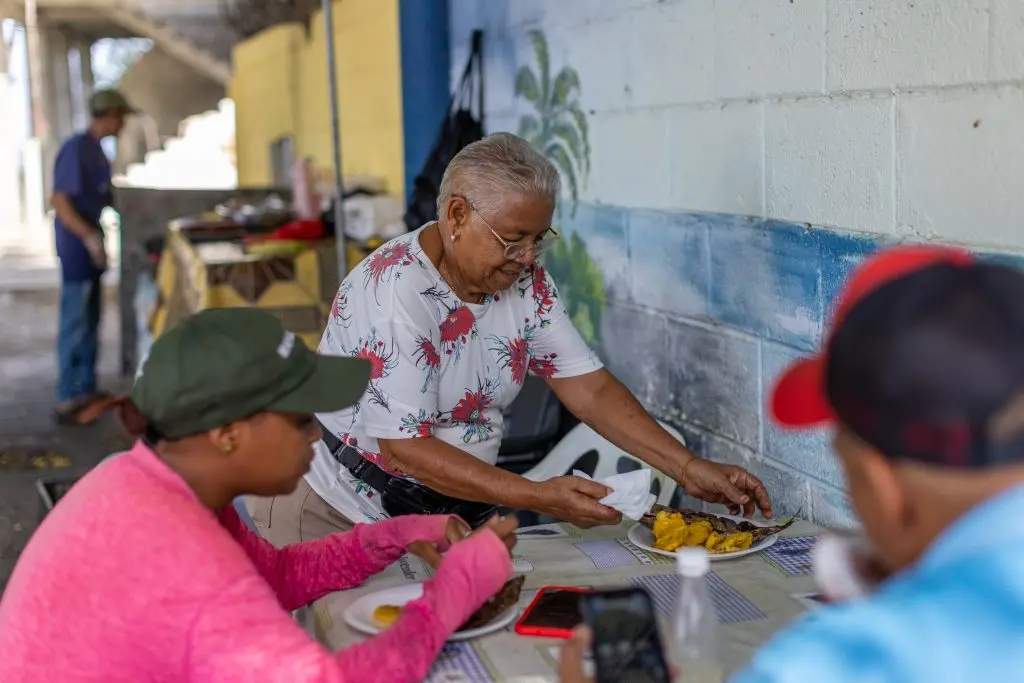
Photo: FAO/Erika Santelices