Field mission to Pernambuco, Brazil helps shape Kenya’s Maji Plus programme for schools and communities in arid and semi-arid areas
Recife, Brazil, 12 October 2026 – Kenyan government officials visited Brazil’s semi-arid North-eastern region last week to examine how the country’s Cisterns Programme has expanded water access to more than one million families and 8,000 schools in rural, semi-arid areas. The mission concluded with a workshop to translate lessons from the field into Kenya’s plans for the first phase of the Maji Plus Programme.
The five-day technical mission to Pernambuco is part of a technical support package offered by Brazil to Kenya’s Maji Plus Programme through the Global Alliance. In July, Brazil’s Ministry of Development and Social Assistance, Family and Fight Against Hunger (MDS) presented the Cisterns Programme to Kenyan counterparts. The mission gave officials from Kenya’s National Drought Management Authority, Ministries of Education and Labour and Social Protection, National Council for Nomadic Education in Kenya (NACONEK) and National Treasury an opportunity to see the programme on the ground. Representatives from the World Food Programme (WFP), the Food and Agriculture Organization of the United Nations (FAO) and the Brazilian embassy in Nairobi also joined the mission.
“Kenya, because of its interest in Brazil, used the Global Alliance to activate this mechanism and seek technical cooperation and an exchange of experience in social technologies for drought mitigation, water access and school feeding, everything that connects to tackling hunger and poverty, which is the larger goal.”, said Anna Carolina Machado, General Coordinator for International Affairs at MDS.
Reliable access to water is essential to food security, nutrition and resilience in communities facing drought and increasing climate variability. Kenya’s Maji Plus Programme aims to install rainwater harvesting systems in schools and communities in the country’s arid and semi-arid areas, reaching an estimated 420,000 people.
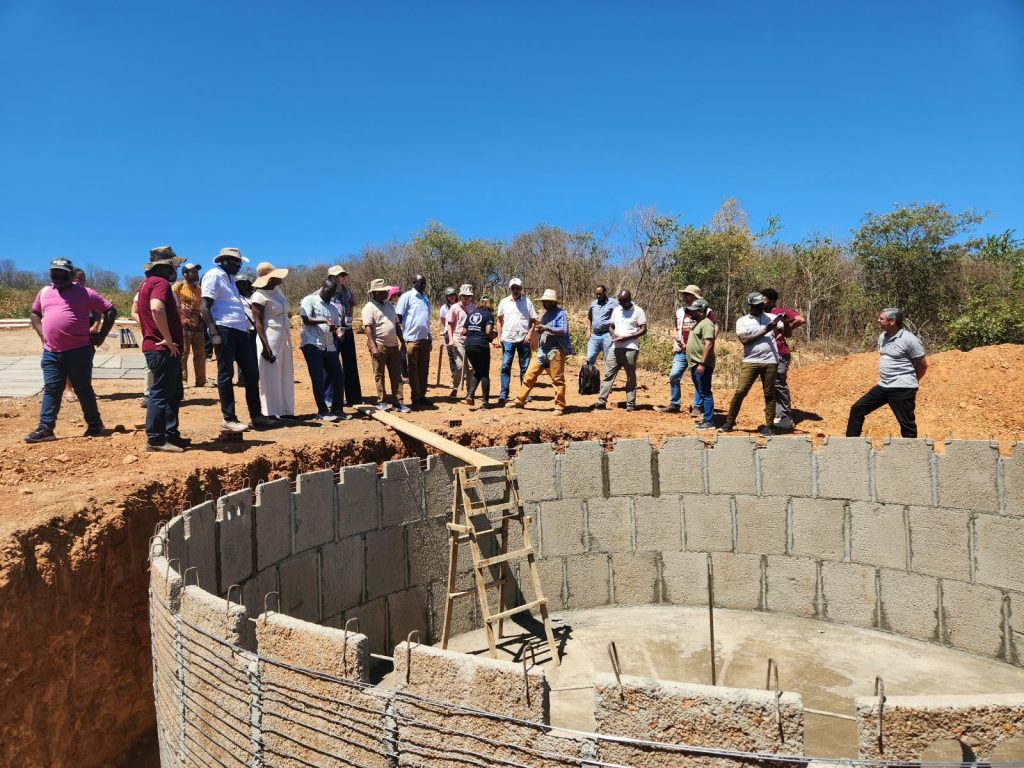
The mission was organised by MDS, the WFP Centre of Excellence against Hunger, Articulação Semiárido Brasileiro (ASA) and the Brazilian Cooperation Agency (ABC). Following a day of technical discussions on the Cisterns Programme, its institutional arrangements and the social technologies it applies, the delegation spent three days visiting communities, farms and schools in Pesqueira, Buíque, Carnaíba, Afogados da Ingazeira, Tabira and Tuparetama. There, officials spoke with families, community leaders and implementing organisations about how the systems are built, managed and used.
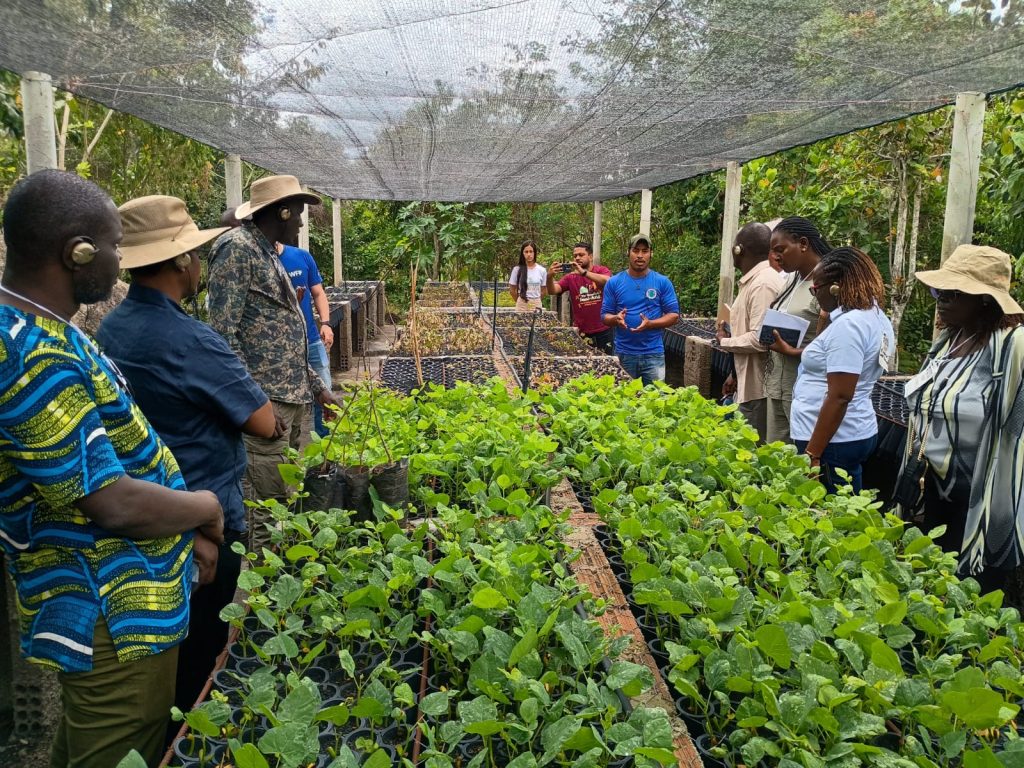
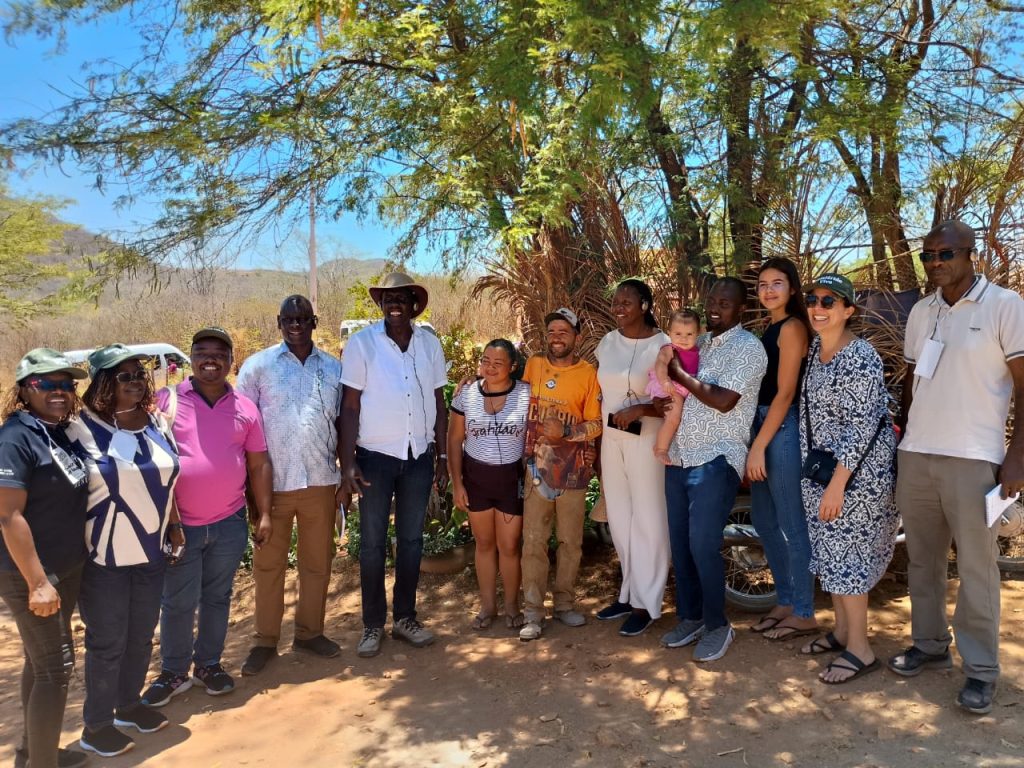
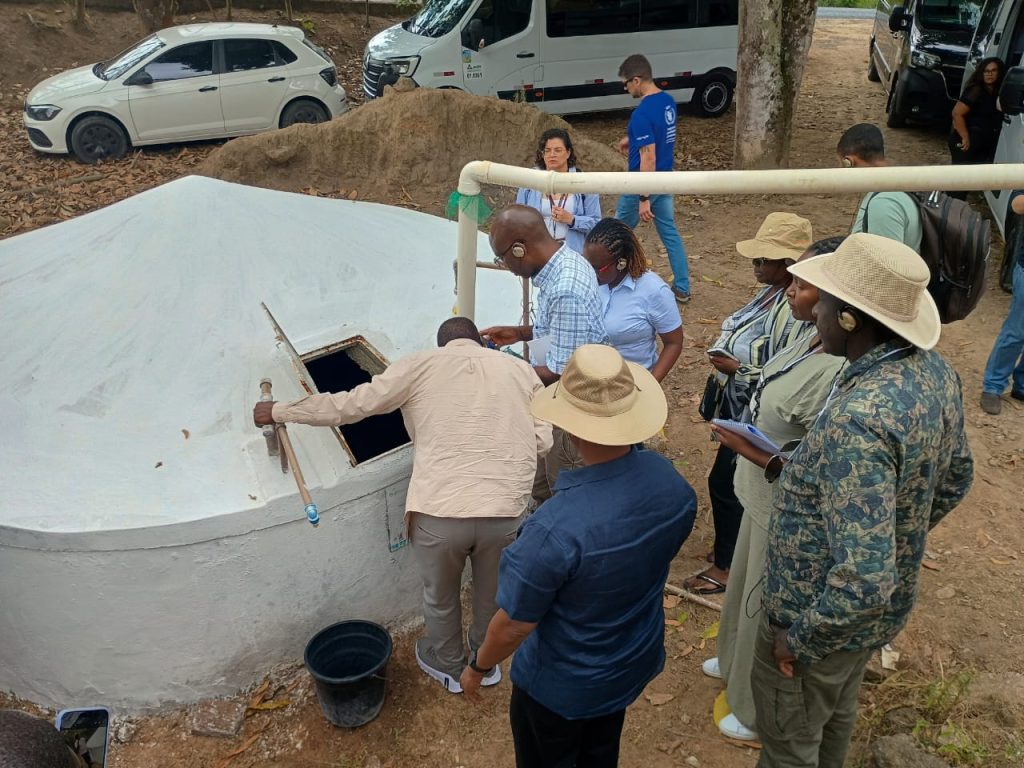
Brazil made the Cisterns Programme public policy in 2003. It has since reached more than 1.4 million families, most of them in the semi-arid region, and around 8,000 schools. Much of the week’s discussion was about what keeps the systems working long after they are built: training local builders, mobilizing communities, the delivery role of civil society organizations, and upkeep by the families and schools that use the water.
“We hope the Brazilian experience built by the organizations of the ASA network can inspire other countries with a climate like ours,” said Waneska Bonfim, Executive Coordinator of ASA, which coordinated the field mission. “As we present this experience to other countries, we also strengthen our own choices and review our practices.”
Cistern users as teachers
The itinerary included cisterns that have been in use for years as well as systems still under construction, allowing users to share first-hand accounts of their experiences.
In the Xukuru Indigenous territory, Kenyan officials visited a community seed house and agroforestry plots. On family farms they saw the programme’s two tiers in use: a 16,000-litre cistern that stores rainwater for drinking and cooking, and a 52,000-litre system that sustains vegetable gardens, small livestock and cheese-making through the dry season. Several farmers sell part of their produce to Brazil’s national school feeding and public food procurement programmes, illustrating the links between water access, family farming and school meals that are relevant to Kenya’s planned programme.
A visit to the 77-year-old Levino Cândido municipal school in Afogados da Ingazeira highlighted an example closely aligned with Maji Plus. For decades, the school had relied on a borehole. A 52,000-litre cistern now supplies water throughout the year and supports a teaching garden. In Tabira, the delegation engaged with masons in the construction of a cistern step by step, from materials to quality control.
“We are seeing how this community manages to use water sparingly,” said Hared Adan, Chief Executive Officer of NDMA. “We are here on this mission to see how we can improve our country’s water resilience, focused on solutions. We are focusing on cistern technology to keep our children in school.”
From field lessons to tailored plans
The final day shifted the focus from Brazil’s experience to choices facing Kenya as it prepares to launch Maji Plus. Kenya’s drought authority presented the programme and its plans for its first phase in schools before partners worked through the practical decisions needed to move towards implementation.
These included determining which infrastructure and school-level interventions each pilot school should receive, alongside builder training, community mobilization and before-and-after assessment; how many schools to start with and how to select and group them; how the technical support planned after the mission will run; and what NDMA and each partner organization can bring from its own staff, budget and in-kind resources.
“This mission has been, quite literally, a watershed moment for the Kenya Maji Plus programme. It brought learnings, it brought heart, and it solidified resolution in all actors that this is the right way to go,” said Renato Domith Godinho, Director of the Global Alliance Support Mechanism. “This is the kind of transformative work the Alliance was established to enable and nurture.”
The mission and discussions will feed directly into the Maji Plus Implementation Roadmap, which sets out how Global Alliance members will support the programme.
Photos: ASA Brazil